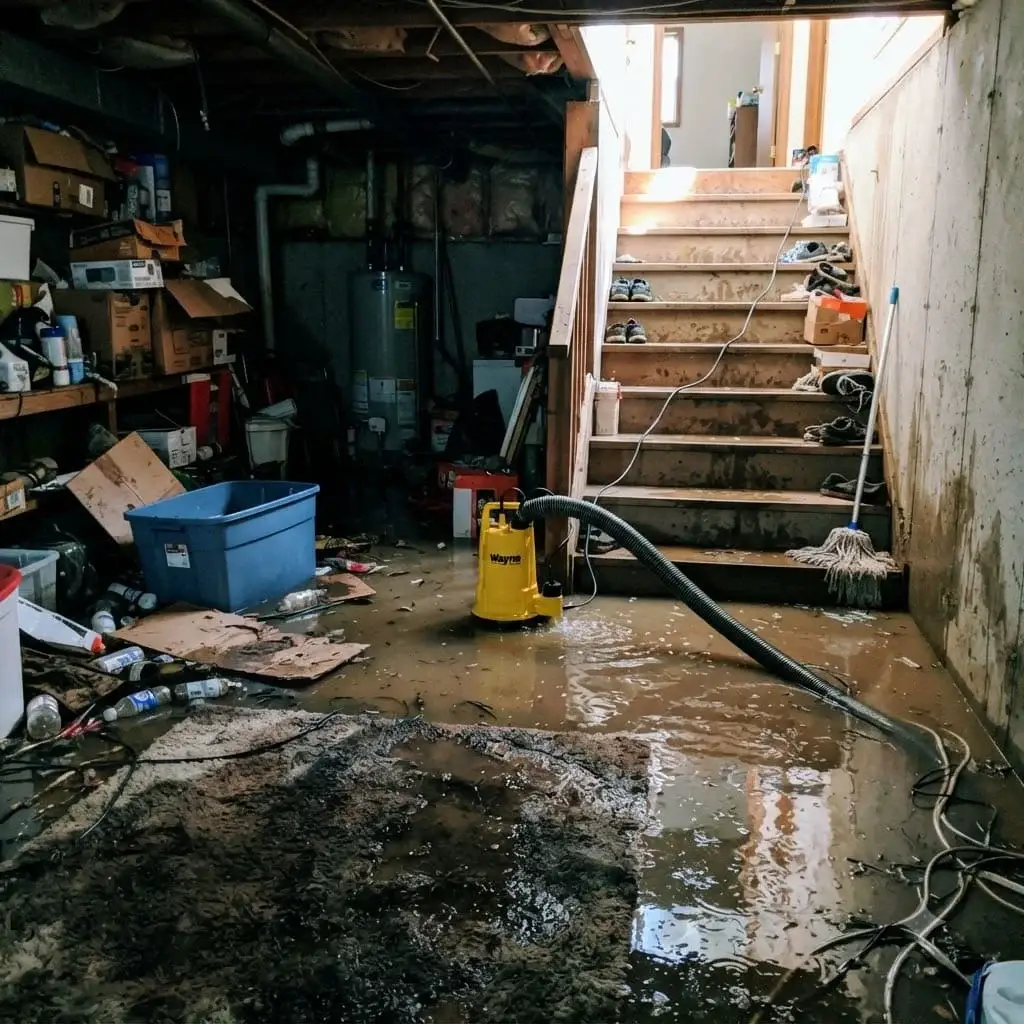
Once the water's gone, the clock starts on a second problem. Mold can take hold in a damp Scranton basement within a day or two of a flood, and a humid valley summer only speeds it up. Handling it quickly keeps a small cleanup from turning into a health and structural issue. Here's how mold gets started, how to deal with it, and how to make sure the flood that caused it doesn't happen again.
Why Mold Follows a Flood So Fast
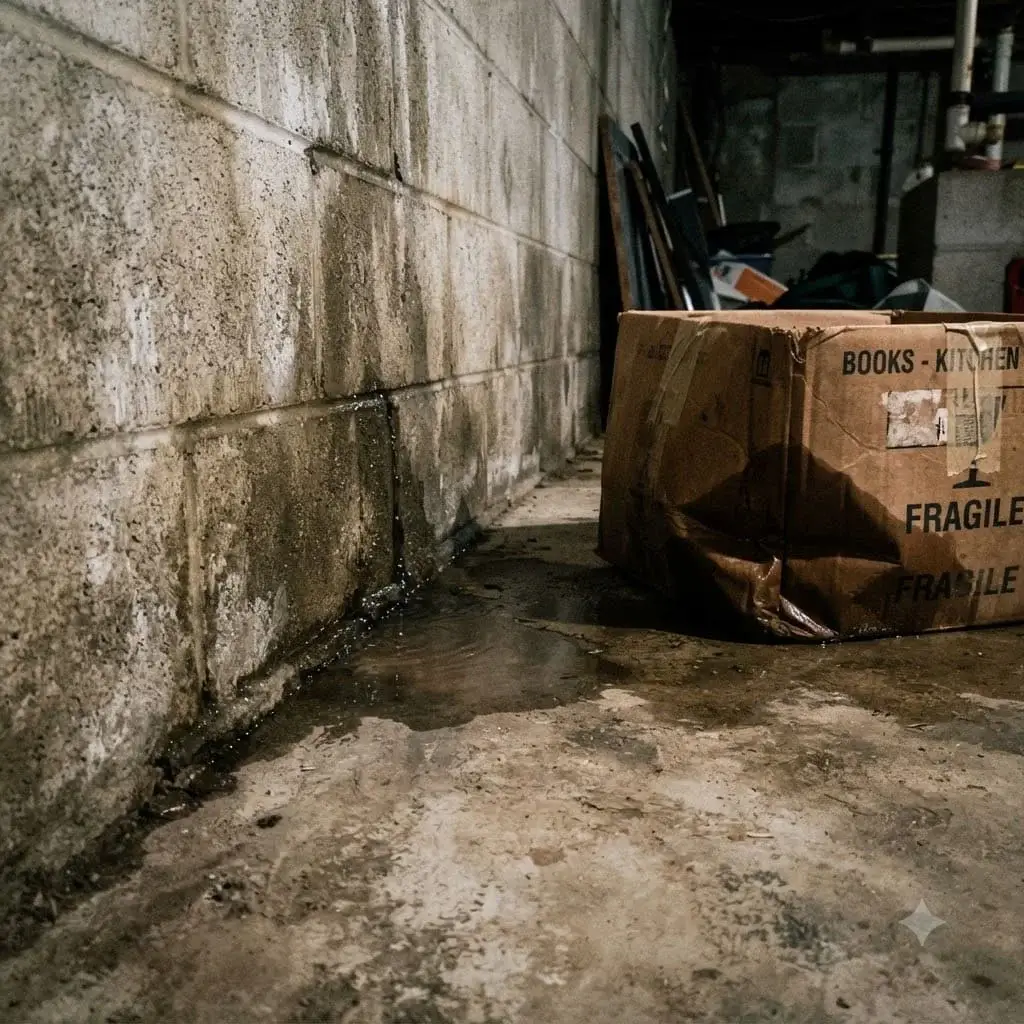
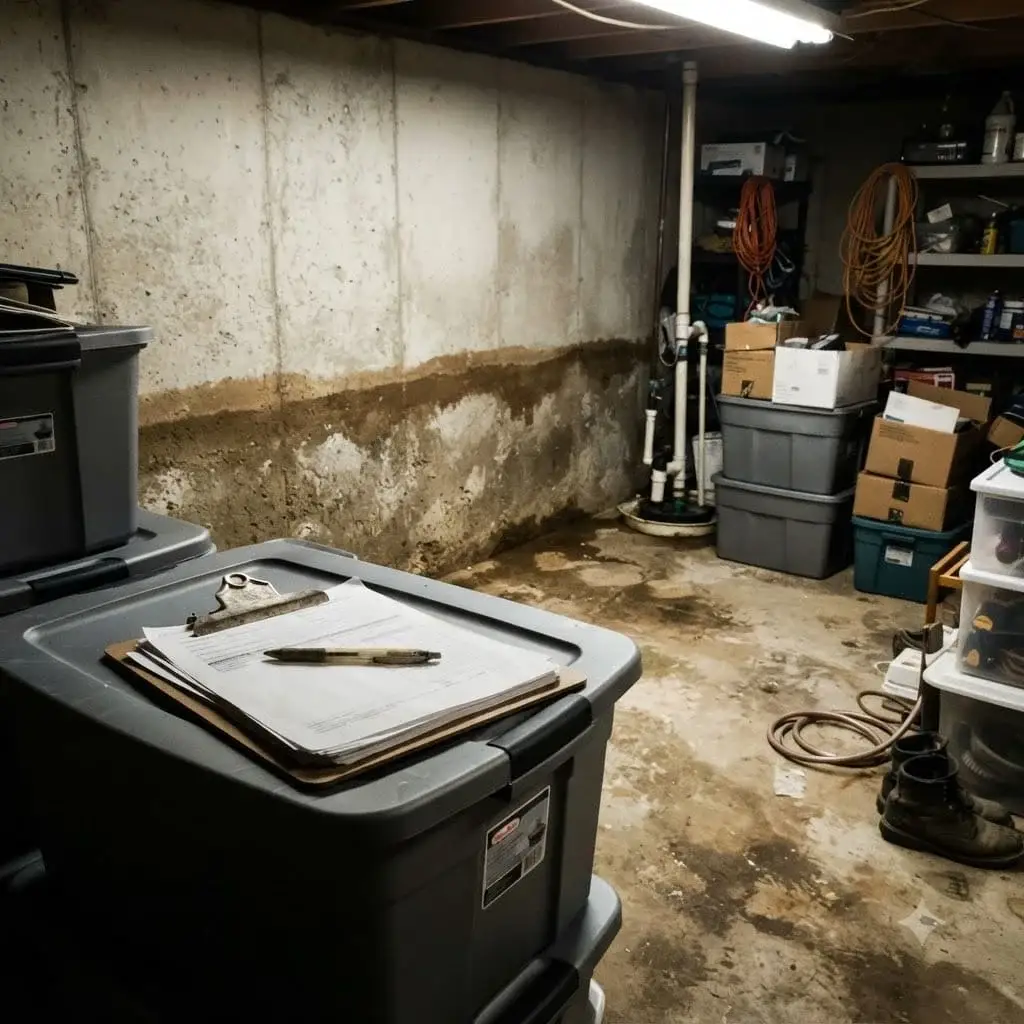
Mold grows fast after a flood because it only needs moisture, a food source, and time, and a wet basement supplies all three. Mold spores are always present in the air, and once they land on a damp surface with something to feed on, like drywall paper, wood, cardboard, or dust, they begin to grow within 24 to 48 hours. A Scranton basement makes it worse, because the valley's humid summers keep the air moist and old stone and block foundations hold water in the masonry long after the standing water is gone. The faster a basement dries, the less mold gets a foothold.
The First Priority: Dry It Out
Drying the basement fast is the single most effective thing you can do against mold. Remove any standing water, then attack the moisture in the air and materials. Run fans to move air across wet surfaces, run a dehumidifier to pull moisture out of the air, and open windows if the outside air is dry. Pull out soaked carpet, padding, and cardboard, which hold water and feed mold and usually can't be saved. The goal is to get the space and its materials dry within a couple of days, before mold has time to establish.
Spotting Mold Early
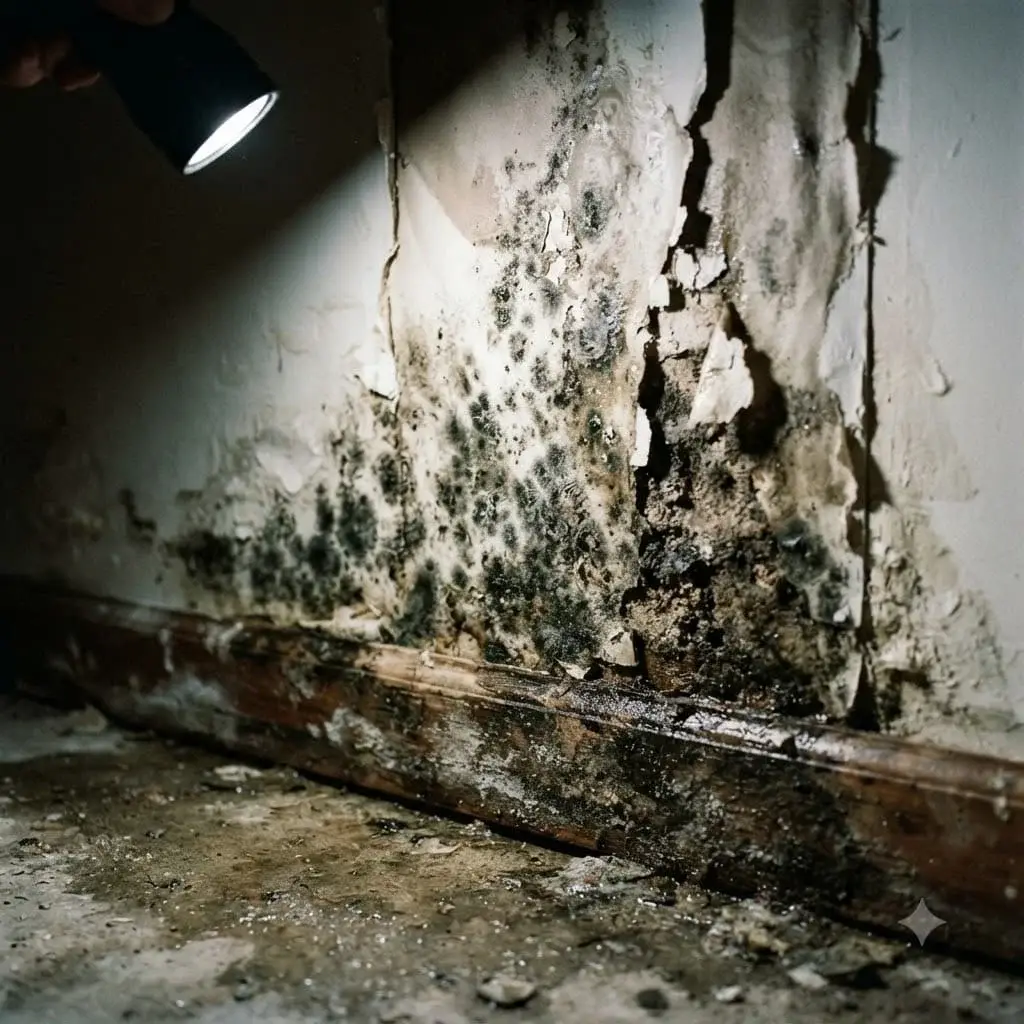
Catching mold early keeps the cleanup small, so know the signs. The musty, earthy smell is often the first clue, and it can appear before you see anything, because mold grows in hidden spots like behind walls and under flooring. Visible mold shows as black, green, gray, or white patches on walls, framing, stored items, or the underside of flooring. In a Scranton basement, check the base of stone and block walls, around the floor-wall seam, and anywhere that stayed wet longest. A musty smell that lingers after the basement looks dry means moisture, and likely mold, is still present.
Cleaning Up Mold Safely
Handling mold safely depends on how much there is. For a small area, generally under about 10 square feet, a homeowner can usually clean it with protective gear: an N95 mask, gloves, and eye protection. Scrub non-porous surfaces like concrete and block with detergent and water, and dry them fully. Porous materials that are badly affected, like drywall, carpet, and insulation, usually need to come out rather than be cleaned, because mold roots into them.
For larger areas, mold that keeps returning, or any situation involving sewage-contaminated flood water, which is a real risk in Scranton's older combined-sewer areas, bring in a professional remediation service. Don't disturb large amounts of mold yourself, since that releases spores throughout the home.
Frequently Asked Questions
How fast does mold grow after a basement flood?
Mold grows within 24 to 48 hours after a basement flood, because it only needs moisture, a food source, and time. Spores already in the air settle on damp drywall, wood, or cardboard and begin growing almost immediately. In a Scranton basement, humid summer air and moisture held in old stone and block masonry speed it up. This fast timeline is why drying the basement thoroughly in the first day or two is the most important step against mold.
Can I remove basement mold myself?
You can remove small areas of basement mold yourself, generally under about 10 square feet, with an N95 mask, gloves, and eye protection. Scrub non-porous surfaces like concrete with detergent and dry them fully, and discard porous materials like soaked drywall and carpet. For larger areas, recurring mold, or flood water that may contain sewage, which is a risk in Scranton's older combined-sewer neighborhoods, hire a professional, since disturbing large amounts of mold spreads spores through the home.
Why does my basement smell musty after it dried out?
A basement smells musty after drying because moisture is still held in porous masonry and because mold may be growing in hidden spots. Old Scranton stone and block foundations absorb water and release it slowly as vapor, which feeds mold and odor even when the floor looks dry. The musty smell is a sign the humidity is still high. A dehumidifier that keeps relative humidity low removes both the moisture and the smell by stopping mold from growing.
Does a dehumidifier stop basement mold?
A dehumidifier helps stop basement mold by keeping the air dry enough that mold can't grow, since mold needs moisture to establish. In a humid Scranton basement, a dedicated dehumidifier pulls vapor out of the air and holds the relative humidity low through the summer. It works best alongside a drainage system that handles liquid water, because the dehumidifier manages humidity while the drain manages flooding. Together they keep a basement dry enough to prevent mold.
How do I keep mold from coming back after a flood?
Keeping mold from returning after a flood means stopping the water that causes it. Cleaning mold without fixing the flooding guarantees it comes back with the next heavy rain. In Scranton, the lasting fix is an interior drainage system and sump pump to handle the water, a battery backup for storm-driven power outages, and a dehumidifier to keep humidity low. A basement that stays dry doesn't grow mold, so preventing the flood is what prevents the mold.