Scranton is a city of old houses. More than half of its homes were built before 1940, which means most basements here were dug and walled long before modern waterproofing existed. If you own one of these homes, a damp or wet basement isn't a sign something went suddenly wrong, it's the predictable result of how the foundation was built and what the valley does to it. Here's what to expect and how to manage it.
Why Old Foundations Leak
Older Scranton foundations leak because they were never built to keep water out, only to hold the house up. The stone and early block walls common in pre-1940 Scranton homes were laid to carry weight, with no membrane, no footing drain, and mortar joints that absorb water readily. Water was expected to find its own way; a dry basement wasn't the standard. So when the ground around one of these foundations saturates, water moves straight through the wall the way it always has.
This is why a wet basement in an old Scranton home is the rule, not the exception. The question is usually how much water, and how to manage it, not whether there's a design flaw.
The Two Types of Old Scranton Foundations
Old Scranton homes mostly have one of two foundation types, and each leaks in its own way.
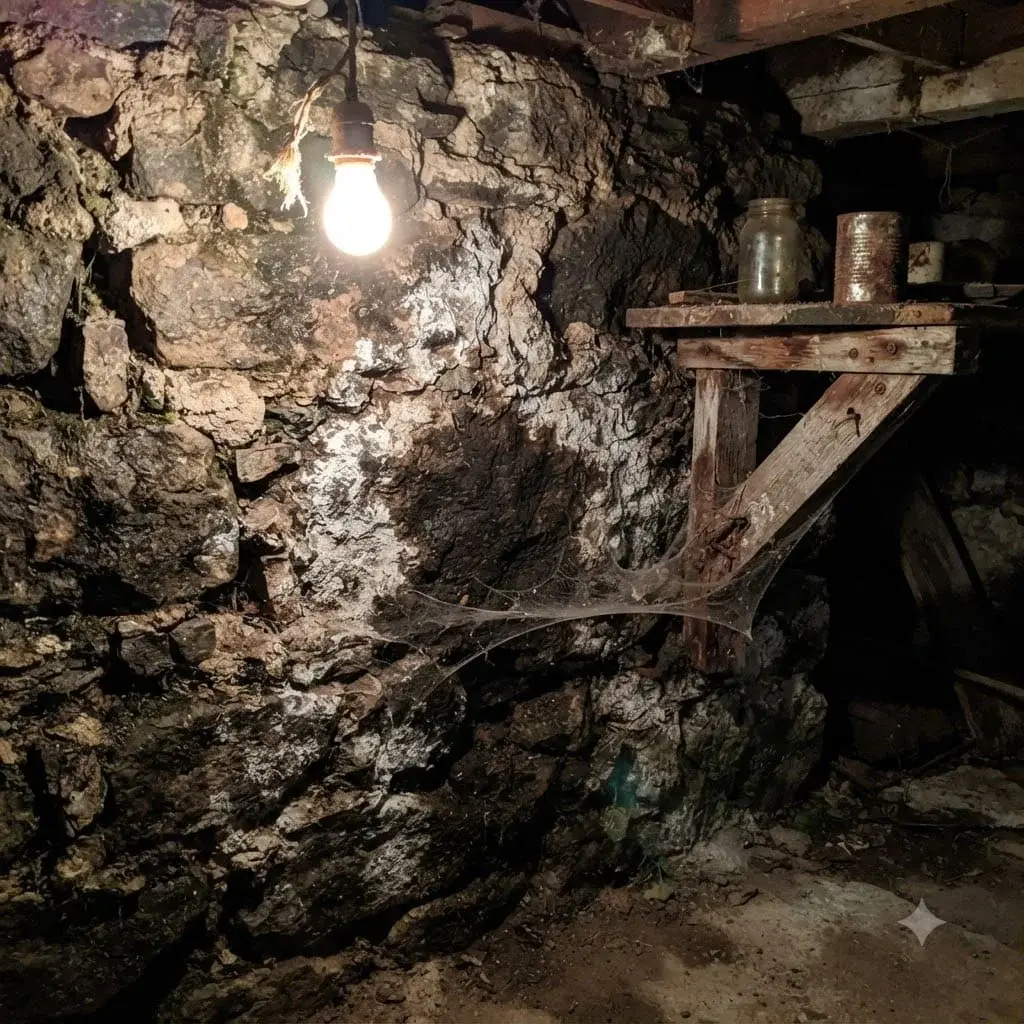
Stone foundations are the oldest, found in the city's earliest homes. They're built from fieldstone or quarried stone set in mortar, and water seeps through the mortar joints and the gaps between stones. The joints also erode over time, which opens new paths. Stone walls are also uneven, which makes surface coatings nearly useless on them.
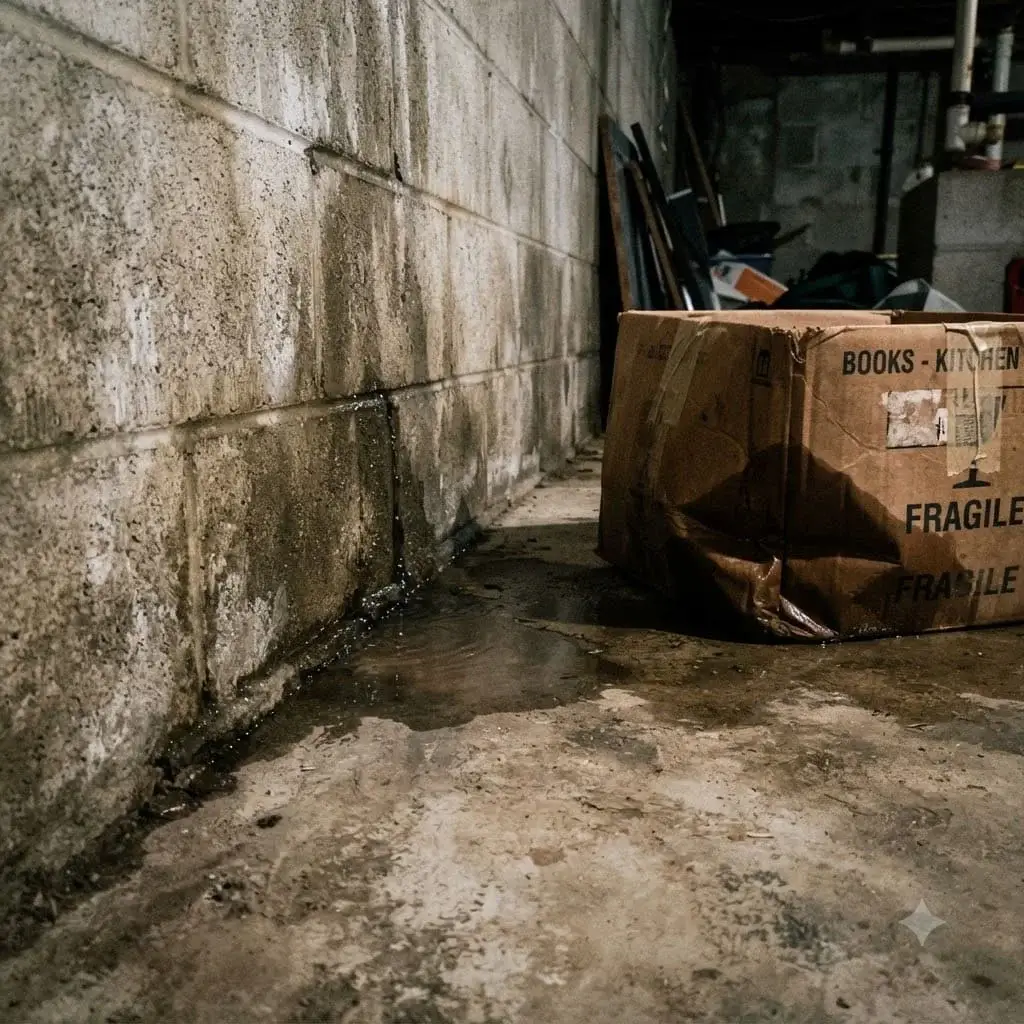
Block (CMU) foundations came later and are hollow. Water soaks into the porous block and collects inside the cavities, then weeps out through the mortar joints and the face of the block. On block walls, part of the fix is drilling weep holes at the bottom course so the trapped water drains into a system instead of pooling inside the wall.
How the Lackawanna Valley Works on Old Walls
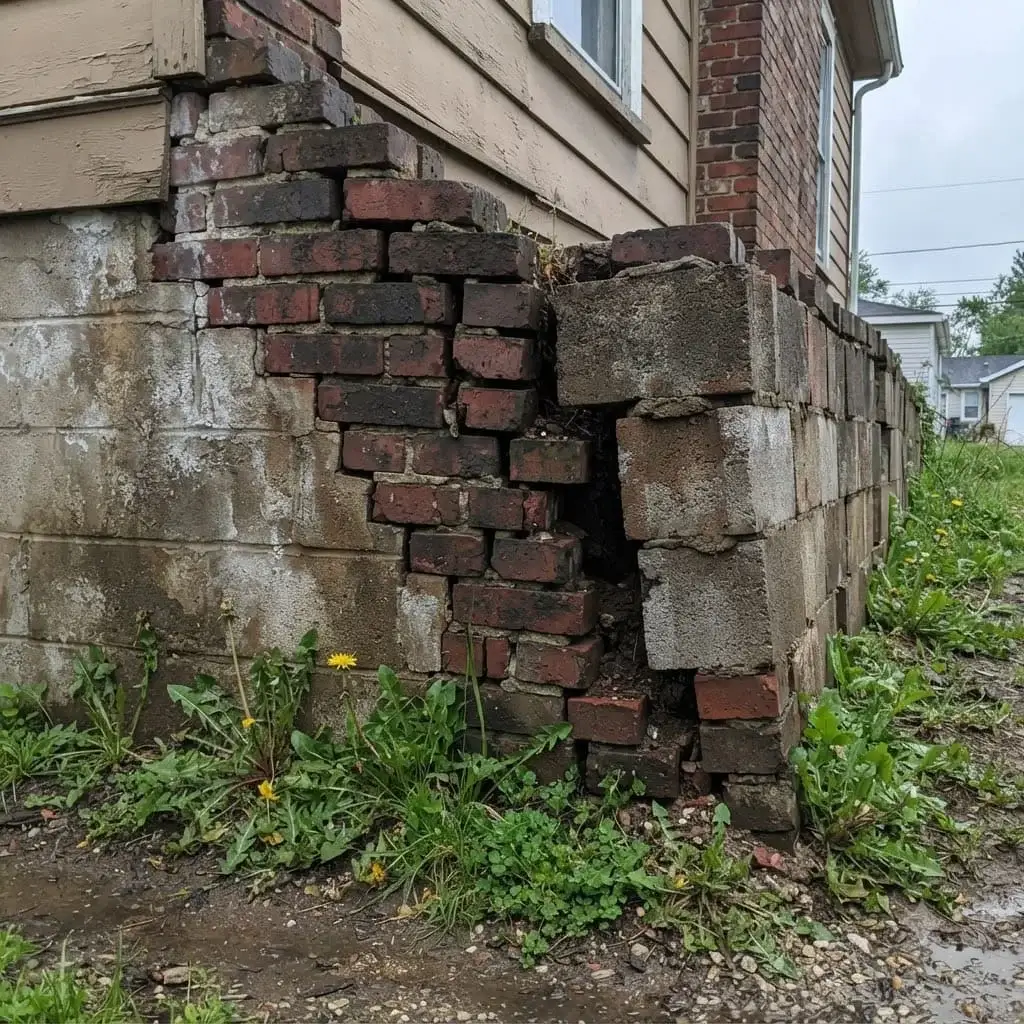
The valley's conditions are hard on old foundations in three specific ways. First, the channery silt loam soil holds water unevenly and presses it against the walls. Second, the roughly 39 inches of annual rain and the winter snowmelt keep that soil saturated for long stretches. Third, the freeze-thaw cycle drives water into the mortar joints, freezes it, and expands it, prying the joints apart a little more each winter. An old wall that was merely damp a decade ago can be actively leaking now, because each winter widens the paths water takes.
Common Signs in an Old Basement
Moisture in an old Scranton basement shows up in a recognizable set of signs. Efflorescence, the white chalky residue on stone and block, marks where water has moved through and left minerals behind. A musty smell points to humidity soaked into porous masonry. Damp patches, a tide line along the base of the walls, crumbling mortar, and standing water after storms all tell the same story. None of these mean the house is failing. They mean the old foundation is doing what old foundations do, and the water needs managing.
What Actually Works on an Old Foundation
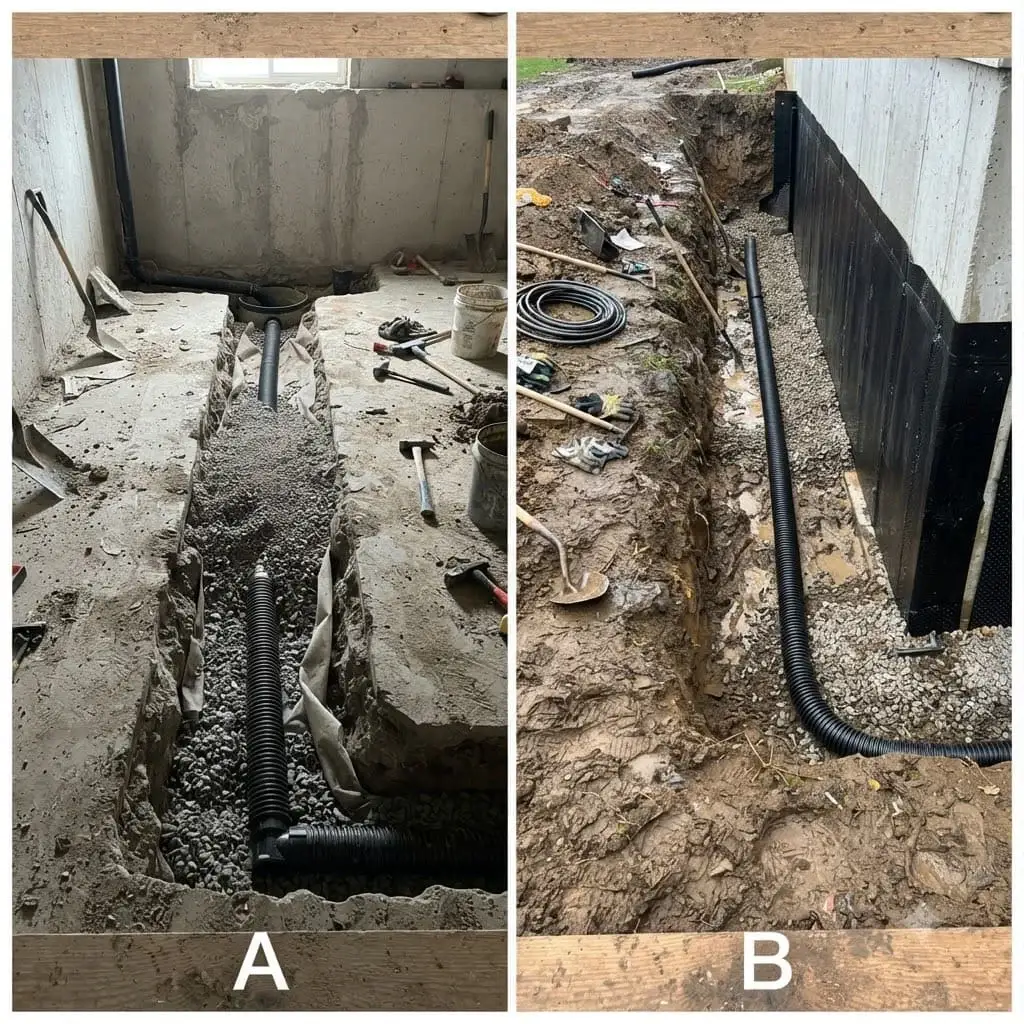
Managing water in an old Scranton basement means routing it, not just coating it. Surface sealers and waterproofing paint fail on stone and block because they can't relieve the pressure behind the wall and can't bond to an uneven stone surface. What works is an interior drainage system with a sump pump, which collects the water at the footing and pumps it out regardless of how porous the wall is. A dehumidifier handles the humidity that soaks into old masonry. For walls that have started to bow or crack under decades of pressure, structural repair stabilizes them. The approach respects the fact that the wall will always be porous, and manages the water accordingly.
Frequently Asked Questions
Why does my old Scranton basement smell musty even when it's dry?
An old Scranton basement smells musty because humidity soaks into porous stone and block even when there's no standing water. Old masonry absorbs and holds moisture, and through a humid valley summer that moisture evaporates into the basement air and feeds mold and mildew. A drain handles liquid water, but the musty smell comes from vapor, which a dedicated dehumidifier removes by keeping the relative humidity low enough to stop mold from taking hold.
Can a stone foundation be waterproofed?
A stone foundation can be kept dry, though not by coating it. The uneven surface and absorbent mortar joints of a stone wall make surface sealers useless, since they can't bond or relieve pressure. The effective approach is an interior drainage system that collects water at the base of the wall and pumps it away, which works no matter how porous the stone is. For a leaking stone foundation, managing the water is the fix, not sealing the surface.
Is a damp basement normal in an old Scranton house?
A damp basement is common in an old Scranton house because most were built before modern waterproofing, with stone or block foundations that were never sealed. Dampness is the default behavior of these walls when the surrounding soil is saturated. It's normal in the sense that it's expected, but it's not something you have to live with. Interior drainage and dehumidification keep even a century-old basement dry and usable.
Will fixing my old basement increase my home's value?
Fixing a wet basement in an old Scranton home protects and can improve its value by removing a problem buyers and inspectors flag. A dry, usable basement adds functional space, and it prevents the water damage, mold, and structural movement that lower a home's value over time. For an older home where a damp basement is expected, a documented waterproofing system is a selling point rather than a red flag.
Why is my block foundation leaking at the bottom?
A block foundation leaks at the bottom because hollow block absorbs water into its cavities, and that water collects and weeps out at the lowest point and through the mortar joints. Water also enters at the cove joint, where the wall meets the floor, under soil pressure. The fix is to drill weep holes at the bottom course so the trapped water drains into an interior drainage system rather than pooling inside the block and seeping onto the floor.